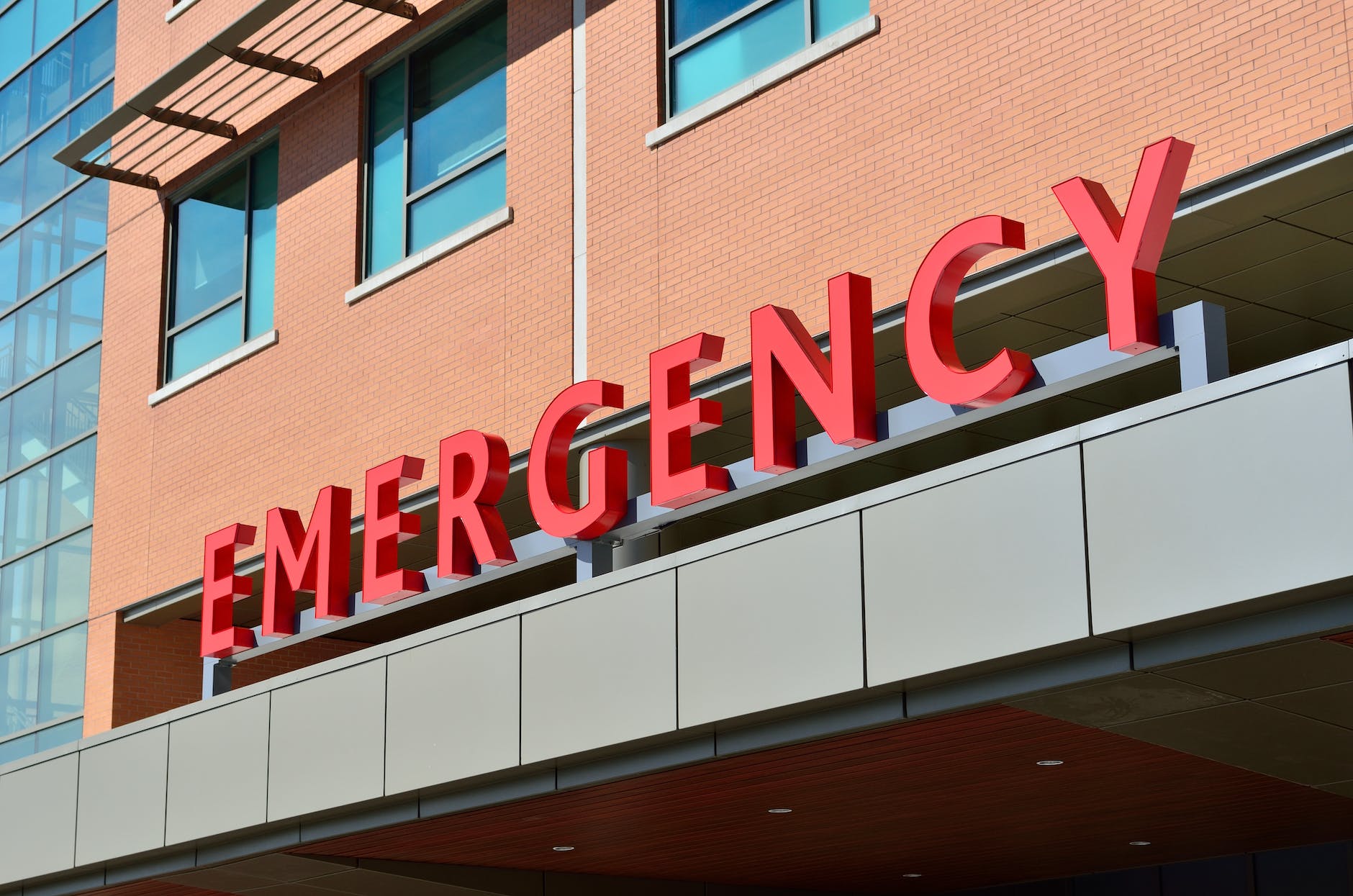
In the realm of medical interpretation, the emergency room (ER) or emergency department (ED) stands as a unique and demanding environment, requiring interpreters to be well-prepared for the unexpected. Interpreting remotely, especially over the phone, can make figuring out what is happening challenging in the absence of visual cues and immediate context available in an in-person setting. Add to that multiple providers attending to a patient brought in after a trauma; numerous patients sharing the same room, separated by curtains that do nothing to stop the sounds of conversations, crying or machines beeping; heightened emotions often accompanying an urgent situation, and imperfect connection quality, and you have the recipe for one of the most challenging settings to interpret in! According to one report, in 2021, there were 140 million emergency department (ED) visits in the United States, which makes it likely that medical interpreters will have to deal with such encounters. Understanding the dynamics of an ER visit, the reasons behind these visits, and the intricacies of communication within this setting are crucial for effective interpretation, whether in-person or remotely.
Disclaimer: This article does not intend to provide medical advice and is for educational purposes only.
ER or ED?
Let’s start out by figuring out key definitions. “Emergency room” (ER) and “emergency department” (ED) are often used interchangeably, but there’s a slight distinction between the two terms. Historically, when hospitals first set up places where immediate medical care was provided to patients with acute illnesses or injuries, it was indeed a room – with a few beds and a small number of staff, who weren’t permanently assigned to work there. As the field of emergency medicine evolved and it became recognized as a medical specialty in its own right, the emergency room evolved into a whole department. The term “emergency department” encompasses a larger area within a healthcare facility. It refers to the entire section or department dedicated to providing emergency medical care, including examination rooms, trauma bays, triage areas, diagnostic facilities, and other specialized units within the hospital designated for emergency care, with dedicated doctors, nurses, social workers and other healthcare personnel. So while you are likely to hear people refer to an emergency room, in all likelihood they are talking about an emergency department.
Emergency Department or Urgent Care?
The key differences between an emergency department (ED) and an urgent care center lie in the scope of services provided and the level of care offered.
Severity of Conditions: Emergency Department (ED): Handles life-threatening or severe conditions requiring immediate attention. Examples include chest pain, major injuries, stroke symptoms, severe bleeding, or difficulty breathing. Urgent Care: Addresses non-life-threatening conditions that still need prompt medical attention but are not as severe as those treated in an ED. Examples include minor fractures, cuts needing stitches, infections, flu, or mild allergic reactions.
Staff and Resources: ED: staffed 24/7 by specialized healthcare professionals, including emergency physicians, nurses, and specialists. Equipped with advanced medical technology and resources to handle critical situations. Urgent Care: usually staffed by primary care physicians, nurse practitioners, and physician assistants during extended hours, including evenings and weekends. Equipped with basic diagnostic tools like X-rays and lab testing but may lack the resources for complex or critical cases.
Wait Times and Cost: ED: longer wait times due to prioritizing severe cases. It’s generally more expensive than urgent care due to the level of care and resources available. Urgent Care: it typically has shorter wait times than EDs and tend to be less expensive.
Conditions Treated: ED: handles a broad spectrum of emergencies, from trauma and major illnesses to critical conditions requiring immediate intervention. Urgent Care: treats minor to moderate injuries or illnesses that need attention beyond regular clinic hours but don’t warrant an ED visit.
📑 Bonus Sight Translation exercise: emergency Room or Urgent Care? [click to expand]
Use this handout to practice sight translation: EMERGENCY ROOM or URGENT CARE Which one should you go to?
🎬 Bonus Video: ED vs Urgent Care [click to expand]
Why do people go to ED?
According to one report, between 2009-2018 in the US the most common diagnoses in EDs included abdomen/digestive issues, upper respiratory infections, injuries, sprains/strains, and chest pain. In the same timeframe, ED visits that ended in hospital admission included diagnoses like sepsis, cerebral infarction, and acute myocardial infarction. Other common diagnoses were ones that can require admission when they progress past a certain point, such as pneumonia and skin and subcutaneous tissue infections. For ED visits with mental health and substance use disorder (SUD) as a primary diagnosis, almost a quarter were alcohol-related, followed by anxiety/fear-related disorders, depressive disorders, suicidal ideation, and schizophrenia.
What happens during an emergency department visit?
The answer depends on so many factors. Did the patient arrive in an ambulance or air ambulance, or did they walk or drive in? How severe is their condition? What are this particular hospital’s protocols and procedures?
The steps below outline an example emergency department visit when a patient presents themselves (as opposed to being brought in by emergency services).
- Arrival and Triage: upon arrival, patients approach the reception area or triage desk. A triage nurse will assess the urgency of the patient’s condition based on their symptoms, vital signs, and the reason for the visit. Patients with more severe or life-threatening conditions are prioritized for immediate care. For example, somebody who is having chest pain is likely to be seen right away.
- Registration: after triage, patients are asked to provide personal information and insurance details for registration. If it’s a life-threatening situation, this step might be deferred until after initial stabilization.
- Waiting: the urgency of care is prioritized based on the severity of the condition, not the order of arrival. While this might mean waiting longer for non-life-threatening cases, it ensures that the most critical patients receive immediate attention. There might also be long periods of waiting between the steps below – for example, the medical team might be waiting for test results to arrive, for the pharmacy team to mix and/or deliver medications, or for certain equipment to become available.
- Initial Assessment: a healthcare professional, often a nurse or physician assistant, will conduct an initial assessment. They’ll ask about symptoms, medical history, allergies, medications, and the events leading up to the emergency department visit. They might perform quick tests like checking blood pressure, temperature, and oxygen levels.
- Examination and Treatment: based on the assessment, a doctor or advanced practitioner will perform a more thorough examination. They might order diagnostic tests such as blood tests, X-rays, CT scans, or ECGs to further evaluate the patient’s condition. Treatment may begin at this stage, which could include medication, IV fluids, wound care, or immediate interventions for critical conditions.
- Consultation and Specialist Evaluation: depending on the nature of the patient’s condition, they might be consulted by specialists such as surgeons, cardiologists, or neurologists if needed for further evaluation or treatment.
- Observation and Monitoring: after initial treatment, the patient might be moved to a designated area for observation, especially if the doctor wants to monitor their condition closely before deciding on discharge or further care.
- Decision on Discharge or Admission: based on the evaluation and test results, the medical team will decide whether the patient can be safely discharged with instructions for home care and follow-up or if they need to be admitted for further treatment and monitoring.
- Follow-up and Discharge: If discharged, patients receive detailed instructions about medications, follow-up appointments, self-care at home, and any warning signs to watch for. They might also provide information on when to seek further medical attention if their condition worsens.
🚑 Different levels of Trauma Centers
Trauma centers are typically categorized into different levels based on the resources, capabilities, and expertise they have available to treat traumatic injuries. The levels may vary slightly between countries or regions, but generally, they can be outlined as follows:
- Level I Trauma Centers: These are comprehensive trauma centers with the highest level of resources available. They are typically located in larger cities or regions with a high volume of severe trauma cases. Level I centers have 24/7 availability of specialty surgeons (such as neurosurgeons, orthopedic surgeons, etc.), a full range of specialists, and advanced medical equipment. They often have research and education programs and are equipped to handle the most complex cases.
- Level II Trauma Centers: These centers are also well-equipped to handle traumatic injuries, although they might not have the full spectrum of specialized services available at Level I centers. They have 24/7 immediate availability of general surgeons and other specialists and can stabilize and manage most trauma cases. They might also have transfer agreements with Level I centers for cases that require higher levels of care.
- Level III Trauma Centers: These centers are smaller community hospitals with basic resources to initially assess and stabilize trauma patients. They might lack certain specialties or resources found in higher-level centers, and for more severe cases, they may stabilize patients before transferring them to a Level I or Level II center.
- Level IV Trauma Centers: These are usually smaller rural hospitals or clinics with limited resources. They are capable of providing advanced trauma life support before transferring patients to higher-level facilities.
📑 Bonus sight translation exercise: Moving Through the Emergency Department [click to expand]
Use this document to practice your sight translation skills. It’s available in Spanish, Chinese, Punjabi and Korean.
🎬 BONUS VIDEOS: EMERGENCY DEPARTMENT COLLECTION [click to expand].
Tips for medical interpreters: interpreting in the emergency department
People come to the emergency department for a variety of reasons, and, depending on the severity of their condition, may spend extended time there. However, there may be times when an emergency setting demands rapid, accurate communication while navigating the intensity of the situation. Your role as a medical interpreter is crucial in ensuring that vital information is conveyed swiftly and accurately to provide the best possible care for the patient.
- Remain calm. This may be easier said than done, especially when people are very upset or visibly hurt, but your ability to deliver accurate interpretation in this setting is the best thing you can do for the patient and/or their loved ones. Helping the medical team get correct diagnosis, helping the patient explain what is going on with them, or allowing a family member to express their grief is a very important task.
- Advocate for working conditions. Where it doesn’t compromise delivery of patient care, make sure that you are able to see and/or hear all parties and request changes if necessary – e.g., does a tablet for video interpretation need to be moved closer to the patient?
- If appropriate, do a pre-session with the service provider – this will hopefully orient you to the situation you are about to walk in/join virtually.
- If you are interpreting in person, work with the staff to ensure the safest position for you to be in, out of the way of medical personnel and/or equipment but within the hearing and/or eyesight of the patient. Similarly, work with the staff to find a safe place to wait for providers in between their visits with the patient to avoid staying alone with the patient.
- Practice self-care. Debrief with a supervisor or colleague (making sure to maintain patient’s confidentially). If you are facing a long appointment, request breaks if possible. Stay hydrated. Read more about self-care for medical interpreters.
Resources for medical interpreters
📖 Glossaries
📝 Discharge instructions (use for sight translation and terminology mining)
- Emergency Services Collection from Fraser Health
- Patient health education materials from Vancouver Coastal Health
📚 Books about emergency departments
I absolutely love reading books about medicine – the books I read are written by doctors, nurses or other healthcare providers about their work and their patients. You can learn so much – from medical terminology to what really happens behind the scenes at a hospital, all essential knowledge for professional medical interpreters. The links below will take you to Amazon, but these books can be borrowed from a library, too – in fact, most audiobooks I listen are through my local library’s digital book app! If you’d like more ideas for medical books, check out this blog post.
- Patient Care: Death and Life in the Emergency Room by Paul Seward Md
- The Blood of Strangers : True Stories from the Emergency Room by Frank Huyler
- People of the ER Paperback by Philip Allen Green MD
- Miracles & Mayhem in the ER: Unbelievable True Stories from an Emergency Room Doctor by Dr. Brent Rock Russell (Author)
- E.R. Nurses: Walk My Rounds with Me: True Stories from America’s Greatest Unsung Heroes Paperback by James Patterson, Matt Eversmann, Chris Mooney
👩💻 More about the author: About Yuliya Speroff
✨ New! I just launched two self-paced CEU courses, accredited for CEUs by CCHI, NBCMI/IMIA and WA DSHS. Learn more and register here!
✉️ Want to get in touch? Contact me
The Medical Interpreter Blog is a participant in the Amazon Services LLC Associates Program, an affiliate advertising program designed to provide a means for sites to earn advertising fees by advertising and linking to amazon.com.
References
Daniel Bickley, M. (2023, December 1). Urgent care vs emergency room: What’s the difference? UChicago Medicine. https://www.uchicagomedicine.org/forefront/health-and-wellness-articles/when-to-go-to-the-emergency-room-vs-an-urgent-care-clinic
Cairns C, Ashman JJ, King JM. Emergency department visit rates by selected characteristics: United States, 2021. NCHS Data Brief, no 478. Hyattsville, MD: National Center for Health Statistics. 2023. DOI: https://dx.doi.org/10.15620/cdc:131757
Kaiser Permanente. What’s the difference between urgent and emergency care? March 27. (2023). https://healthy.kaiserpermanente.org/washington/health-wellness/healtharticle.difference-between-urgent-and-emergency-care
Office of the Assistant Secretary for Planning and Evaluation, U.S. Department of Health & Human Services. Trends in the Utilization of Emergency Department Services, 2009-2018. 2021. https://aspe.hhs.gov/pdf-report/utilization-emergency-department-services
What’s in a name: Er vs. Ed, SmalltownERdoc. 2017. https://smalltownerdoc.com/2017/10/22/whats-in-a-name-er-vs-ed/
What to expect in the ER: Emergency room services. Saint Vincent Hospital. (2023, December 8). https://stvincenthospital.com/services/emergency-room/corporate-content/what-to-expect-in-the-e-r
👉 More from the Medical Interpreter Blog:
- For book recommendations for medical interpreters, click here.
- For podcast recommendations for medical interpreters, see here.
- For recommendations of TV shows for medical interpreters, click here.
- To learn about self-care for medical interpreters, click here.
- To learn about what compassion means for medical interpreters, click here.
- For resources related to idioms for medical idioms click here and here.
- For a collection of practice resources for medical interpreters, click here.
- For resources related to note-taking, click here.
- For practice activities for developing your note-taking skills, click here.
- For ideas on glossary building, click here.
- For recommendations for Russian-language podcasts and books click here and here.
- For resources related to interpreting in mental health setting, click here.
- To learn about interpreting in spiritual care encounters, click here.
- For a collection of resources related to virology, click here.
- For a collection of resources related to respiratory care, click here.
- For resources related to cancer care, click here.
- To learn about interpreting humor and jokes, click here.
- To learn about other interpreter blogs, podcasts etc., click here.
- To learn about pre-session for medical interpreters, click here.
🙋♀️ More about the author: About Yuliya Speroff

Leave a Reply